


Understanding Spiritual Baths and Their Traditional Uses
For centuries, people around the world have used water as a symbol of cleansing, renewal, healing, and transformation. Across many cultures and spiritual traditions, spiritual baths have been incorporated into personal rituals designed to encourage reflection, relaxation, emotional release, and spiritual connection.
While practices vary widely between cultures and belief systems, the common thread is intentionality. Spiritual baths often combine water with herbs, flowers, minerals, prayers, affirmations, meditation, or personal reflection to create a meaningful self-care experience.
What Is a Spiritual Bath?

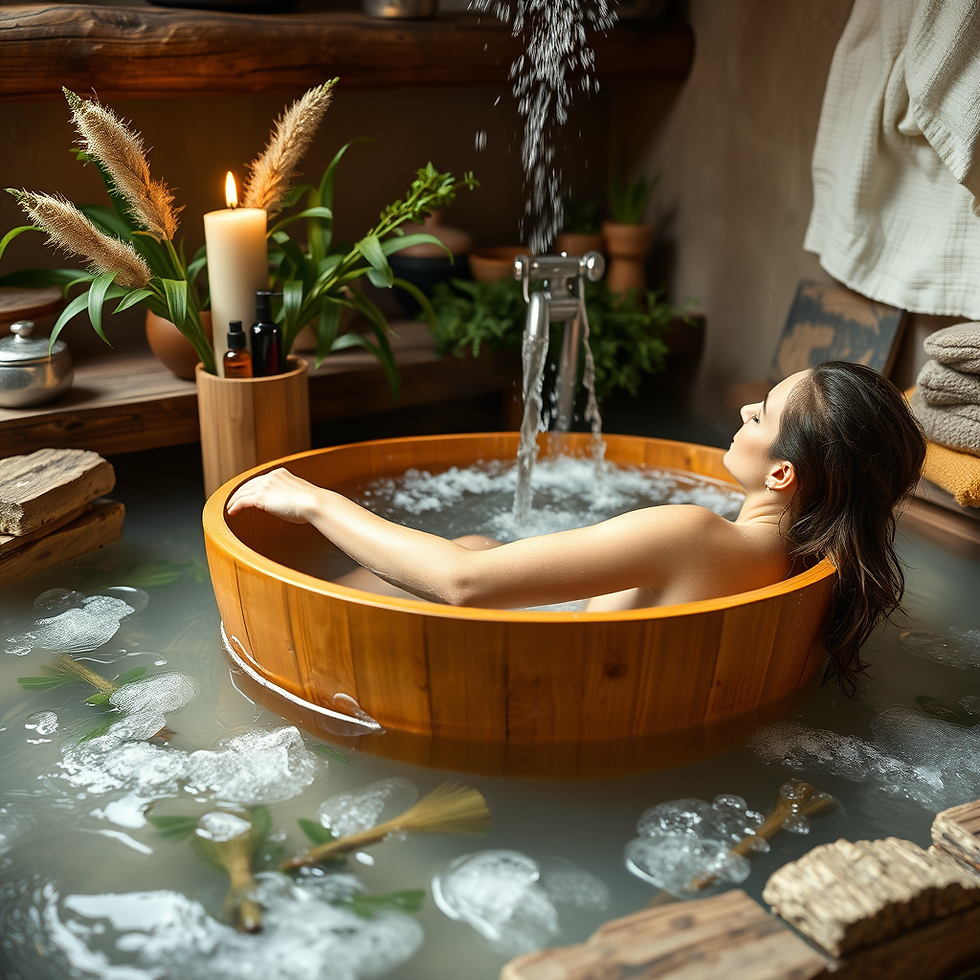
A spiritual bath is a ritual bathing practice that combines physical cleansing with mindfulness and intention. Unlike a bath taken solely for hygiene, a spiritual bath is often approached as a dedicated time for self-reflection, prayer, meditation, gratitude, or personal renewal.
People may incorporate spiritual baths into their wellness routines to:
Create a sense of calm and relaxation
Support stress management and emotional well-being
Reflect on personal goals and life transitions
Cultivate gratitude and self-awareness
Deepen spiritual or mindfulness practices
Establish intentional self-care rituals
The experience is highly personal and may be influenced by cultural, religious, ancestral, or spiritual traditions.
Historical Roots of Spiritual Bathing
The practice of ritual bathing has existed across civilizations for thousands of years.

Ancient Egypt
Water played an important role in purification ceremonies. Historical records indicate that ritual washing was often performed before entering sacred spaces or participating in religious observances.

Indigenous Traditions
Many Indigenous cultures have long incorporated water into ceremonies connected to renewal, gratitude, purification, and maintaining balance with nature and community.

African Diaspora Traditions
Various African and Afro-Caribbean traditions utilize herbal baths as part of cultural and spiritual practices. Specific herbs, prayers, and bathing rituals are often used according to the customs and teachings of each tradition.

Eastern Traditions
Many Eastern spiritual systems include ritual bathing as a form of purification and preparation for prayer, meditation, or sacred observances.
Folk and Herbal Traditions
European, Appalachian, and folk healing traditions have historically included herbal bathing practices intended to promote comfort, relaxation, and symbolic cleansing.
Common Ingredients Used in Spiritual Baths
Different traditions use different ingredients, but several elements commonly appear in spiritual and herbal bath rituals.
Herbs

Herbs are often chosen for their traditional uses, aromas, and symbolic associations.
Common examples include:
- Lavender
- Rosemary
- Chamomile
- Lemon Balm
- Mint
- Rose Petals
- Sage
Salts

Salt has been used in cleansing and bathing traditions throughout history.
Popular options include:
- Epsom Salt
- Sea Salt
- Himalayan Salt
Flowers

Flowers are frequently added for fragrance, beauty, and symbolic meaning.
Common choices include:
- Rose Petals
- Jasmine Flowers
- Calendula
- Lavender Blossoms
Essential Oils

Some individuals incorporate properly diluted essential oils into their baths to create a relaxing sensory experience. Essential oils should always be used according to safety guidelines and manufacturer recommendations.
The Importance of Intention
Many spiritual and wellness traditions emphasize that intention is one of the most important elements of a spiritual bath.
Before beginning, individuals may choose to reflect on questions such as:
- What am I seeking to release?
- What qualities would I like to cultivate?
- What am I grateful for today?
- What new beginning or transition am I preparing to embrace?
This intentional focus can transform an ordinary bath into a meaningful personal ritual that supports mindfulness and self-reflection.
Creating a Simple Spiritual Bath Ritual
Creating a spiritual bath does not need to be complicated. A simple ritual may include:
1. Clean and prepare your bathing space.
2. Fill the tub with warm water.
3. Add herbs, flowers, or bath salts if desired.
4. Dim the lights or create a calming atmosphere.
5. Take several slow, mindful breaths.
6. Spend time in prayer, meditation, reflection, or gratitude.
7. Allow yourself to relax and be fully present in the experience.

The goal is not perfection but creating intentional time for restoration, reflection, and self-care.
Spiritual Baths and Holistic Wellness
Many people find that spiritual baths provide an opportunity to slow down, disconnect from daily stressors, and reconnect with themselves. When combined with mindfulness practices, spiritual baths may support relaxation, stress management, and overall well-being.
However, spiritual baths should be viewed as complementary wellness practices rather than substitutes for professional medical, mental health, or healthcare services.
Exploring Botanical Bath Teas
Botanical bath teas offer a convenient way to incorporate herbs and flowers into a self-care bathing ritual. Similar to a tea bag for the bath, botanical bath teas contain carefully selected herbs, flowers, and botanicals that infuse the bathwater while minimizing cleanup.
Many individuals enjoy botanical bath teas as part of their relaxation, mindfulness, and self-care routines.
Explore The Life Potion's Botanical Bath Teas:
Spiritual baths have been practiced in various forms across cultures and traditions for thousands of years. Whether approached from a spiritual, cultural, religious, or wellness perspective, these rituals encourage us to slow down, become present, and create intentional moments of reflection and renewal.
In a world that often feels fast-paced and overwhelming, setting aside time for meaningful self-care can be a powerful act of restoration. Spiritual baths remind us that wellness is not only about caring for the body—it is also about creating space for peace, mindfulness, and personal growth.


